What Is Mobile Phlebotomy for Homebound Patients?
Mobile phlebotomy for homebound patients is an in-home blood draw service where a certified phlebotomist travels to a patient's residence — a private home, assisted-living apartment, or nursing facility — to collect specimens ordered by their physician. The samples are then transported to a CLIA-certified lab for processing.
This service is designed for people who cannot easily travel: seniors with mobility limitations, patients recovering from surgery, those managing chronic illness, and individuals with conditions that make leaving home risky. The care meets the same clinical standard as any outpatient draw — it simply comes to the patient instead of the other way around.
Why At-Home Draws Are Safer for Seniors
For older adults, every trip out of the home carries real risk: falls in parking lots and lobbies, exposure to illness in crowded waiting rooms, and the disorientation that unfamiliar environments can cause for patients with dementia. An at-home draw eliminates all of these.
Staying in a familiar, comfortable setting also reduces anxiety, which can make veins easier to access and the whole experience calmer. Phlebotomists trained in geriatric care know how to work with fragile or rolling veins, thin skin, and patients who bruise easily — skills that directly improve comfort and reduce repeat sticks for senior patients.
Does Medicare or Insurance Cover Mobile Blood Draws?
Coverage depends on the specific plan and the medical necessity of the tests ordered by the physician. The laboratory analysis itself is often covered the same way as any lab work, while a separate mobile collection or travel fee may apply and is not always reimbursed. Homebound patients receiving skilled home-health services may have draws coordinated through that benefit.
Because rules vary, the best step is to confirm specifics with the patient's plan and ordering provider before the visit. Our scheduling team helps families understand what to expect, what documentation the physician should provide, and how any out-of-pocket convenience fee works — so there are no surprises.
What to Expect During an In-Home Visit
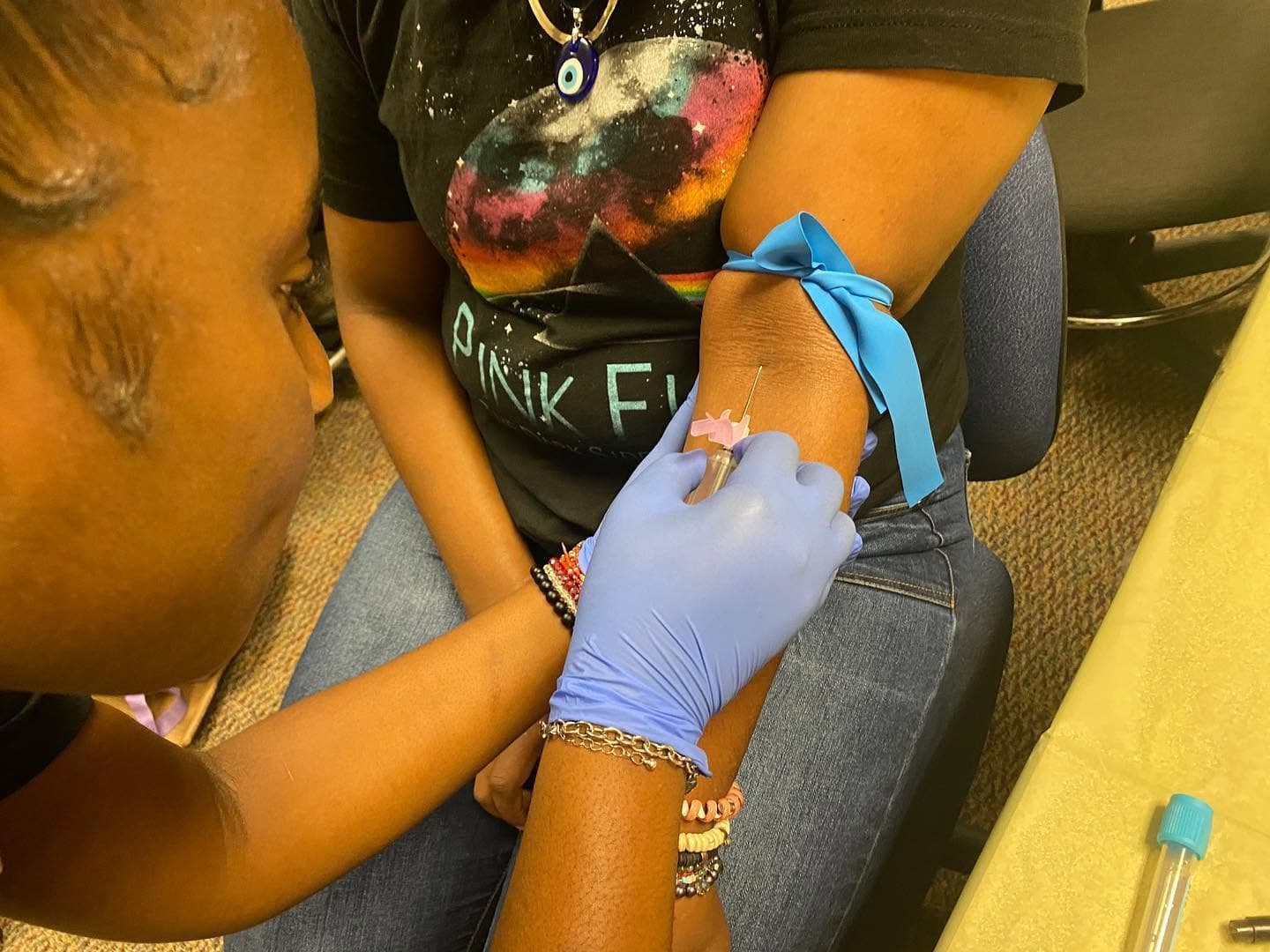
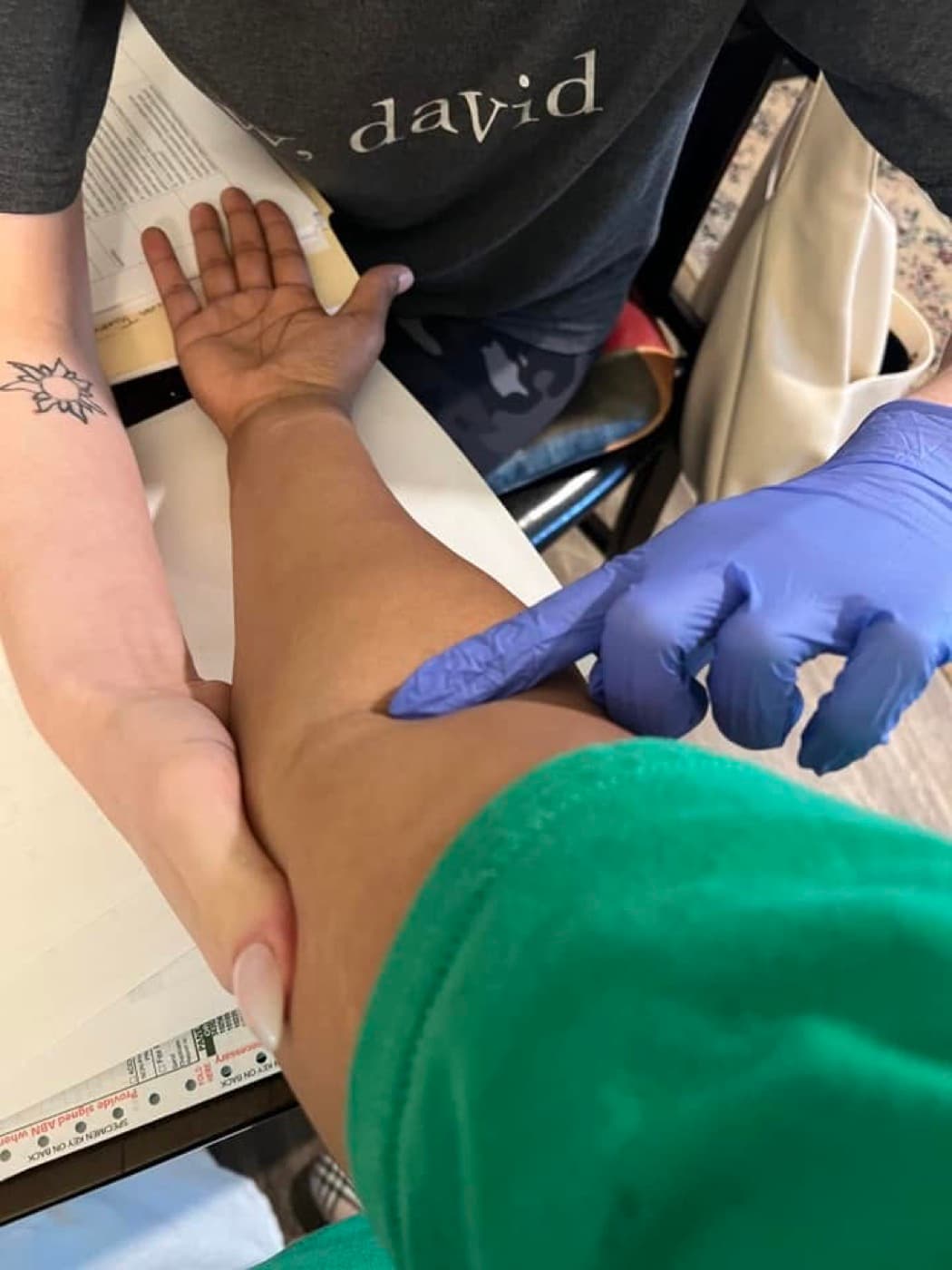
The phlebotomist arrives within the scheduled window, introduces themselves, and verifies the patient's identity and the physician's test orders. They select a comfortable, well-lit spot, position the patient safely — often seated in a favorite chair — and perform the draw efficiently and gently.
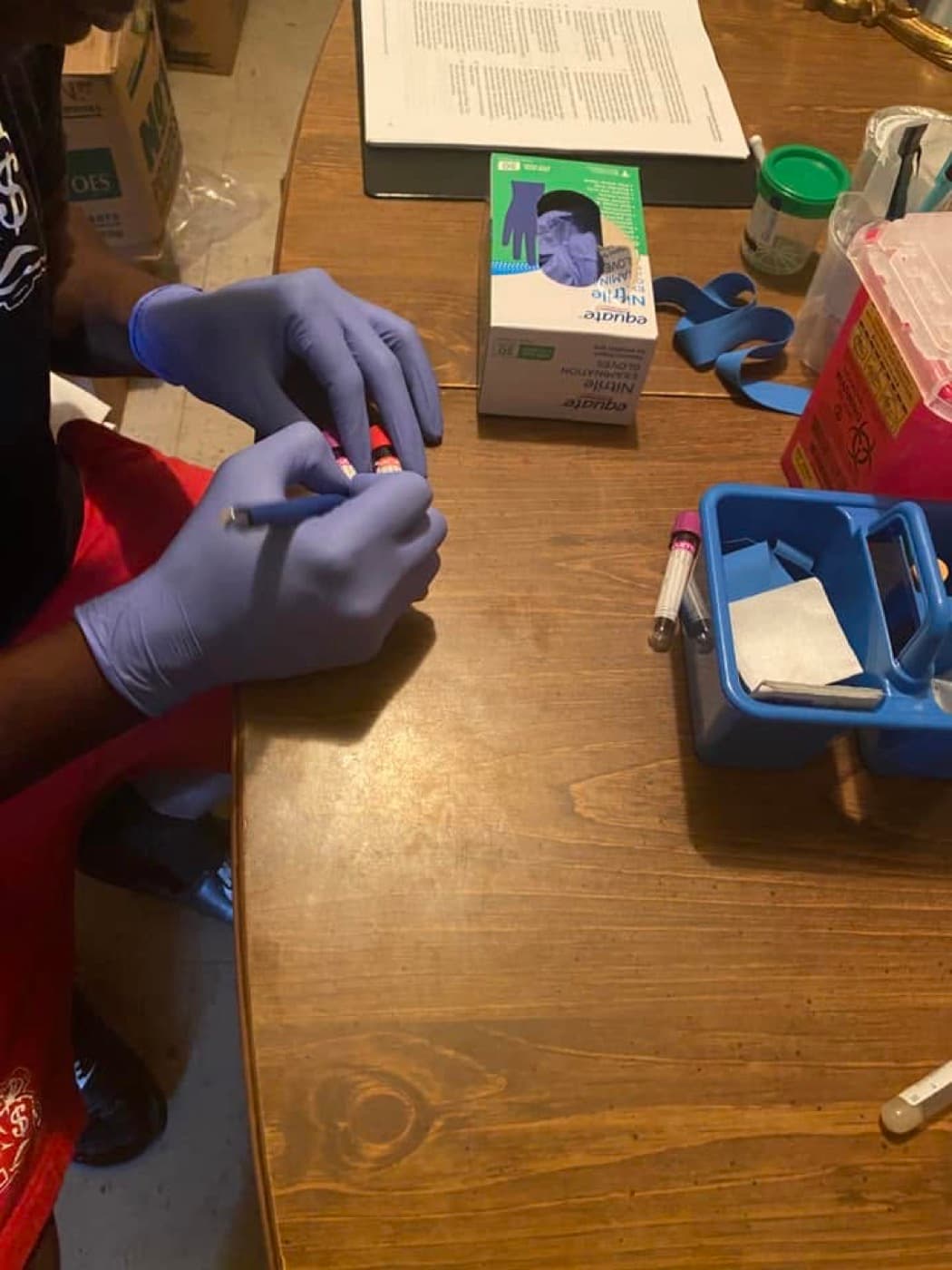
Specimens are labeled at the bedside, sealed, and packaged for transport per lab protocol. The entire visit usually takes 15–20 minutes. For caregivers, there's nothing to clean up and no follow-up logistics — results are routed to the ordering physician or the patient portal exactly as they would be from a clinic.
How Caregivers Can Prepare for the Appointment
A little preparation makes the visit smooth. If the tests require fasting, confirm the window with the provider and keep the patient hydrated with water, which makes veins easier to access. Have the physician's order, insurance card, and a current medication list ready.
Choose a comfortable, well-lit area and clear a small space for the phlebotomist to work. Keep the patient warm, since cold can constrict veins. If the patient has a preferred arm or a history of difficult draws, share that up front — it helps the phlebotomist plan and keeps the experience as gentle as possible for your loved one.