What Is DOT Drug Screen Collector Training?
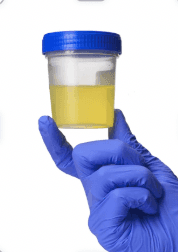
DOT drug screen collector training prepares a student to perform urine specimen collections that follow federal rules for safety-sensitive employees. The training covers the flow of a compliant collection, the paperwork required to document it, the common errors that break chain of custody, and the mock scenarios a collector must understand before working with employers or regulated programs.
A strong course does more than explain the rules. It gives the student a repeatable workflow, hands-on mock practice, and coaching that helps them avoid hesitation when they perform a real collection. That is where many low-quality programs fall short: they explain the process without giving the learner a realistic environment to practice it.
Why 49 CFR Part 40 Matters
49 CFR Part 40 is the federal rulebook that governs transportation workplace drug and alcohol testing across DOT agencies. It defines how collectors handle chain of custody, specimen integrity, shy bladder situations, documentation, and the procedural steps that make a collection defensible.
Students searching for 49 CFR Part 40 training are usually looking for clarity on what collectors actually need to know, not legal jargon alone. The best training translates those requirements into plain-language collection habits: what forms to complete, what order the steps happen in, what errors create fatal flaws, and how to stay calm when a mock scenario gets complicated.
Physical Mock Kit vs. Supply List
One of the biggest differences between programs is whether a student receives a physical mock kit or just a shopping list. A supply list sounds cheaper until you count the time, the missing pieces, and the fact that students still have to guess whether they bought the right materials.
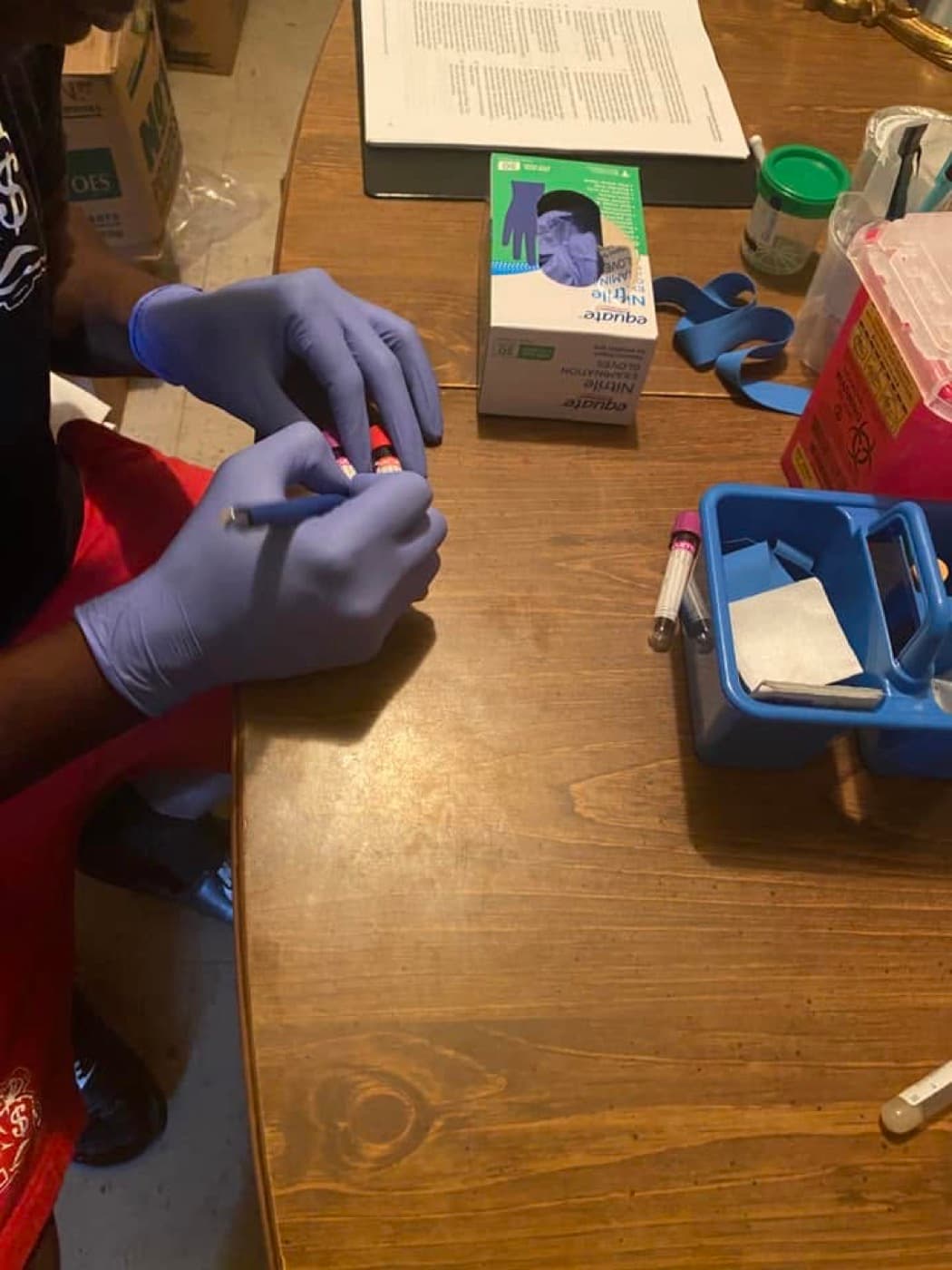
A physical mock kit removes that friction. 1 Stikk Mobile ships the mock materials directly to the student, which means the training can stay focused on the workflow itself. Instead of piecing together supplies, the learner can practice the actual collector sequence with the materials already in hand.
Live Virtual Mocks Beat Pre-Recorded Training
Pre-recorded training can explain concepts, but it cannot correct a student's timing, paperwork habits, or collection flow in real time. Live virtual mocks do. That matters because collectors are judged by how they execute the process, not by whether they watched a video all the way through.
1 Stikk Mobile includes five live virtual mock collections so students can practice with immediate feedback. That structure helps learners catch small mistakes before they become expensive habits, and it gives them more confidence when they move from training into employer, clinic, or contract work.
How Much DOT Collector Training Should Cost
Many DOT collector training providers charge between $200 and $500. Some programs add extra fees for kits, mock scenarios, or certification support after the student has already enrolled. That pricing creates a barrier for healthcare workers, job seekers, and career changers who want to add a practical skill without taking on a major upfront cost.
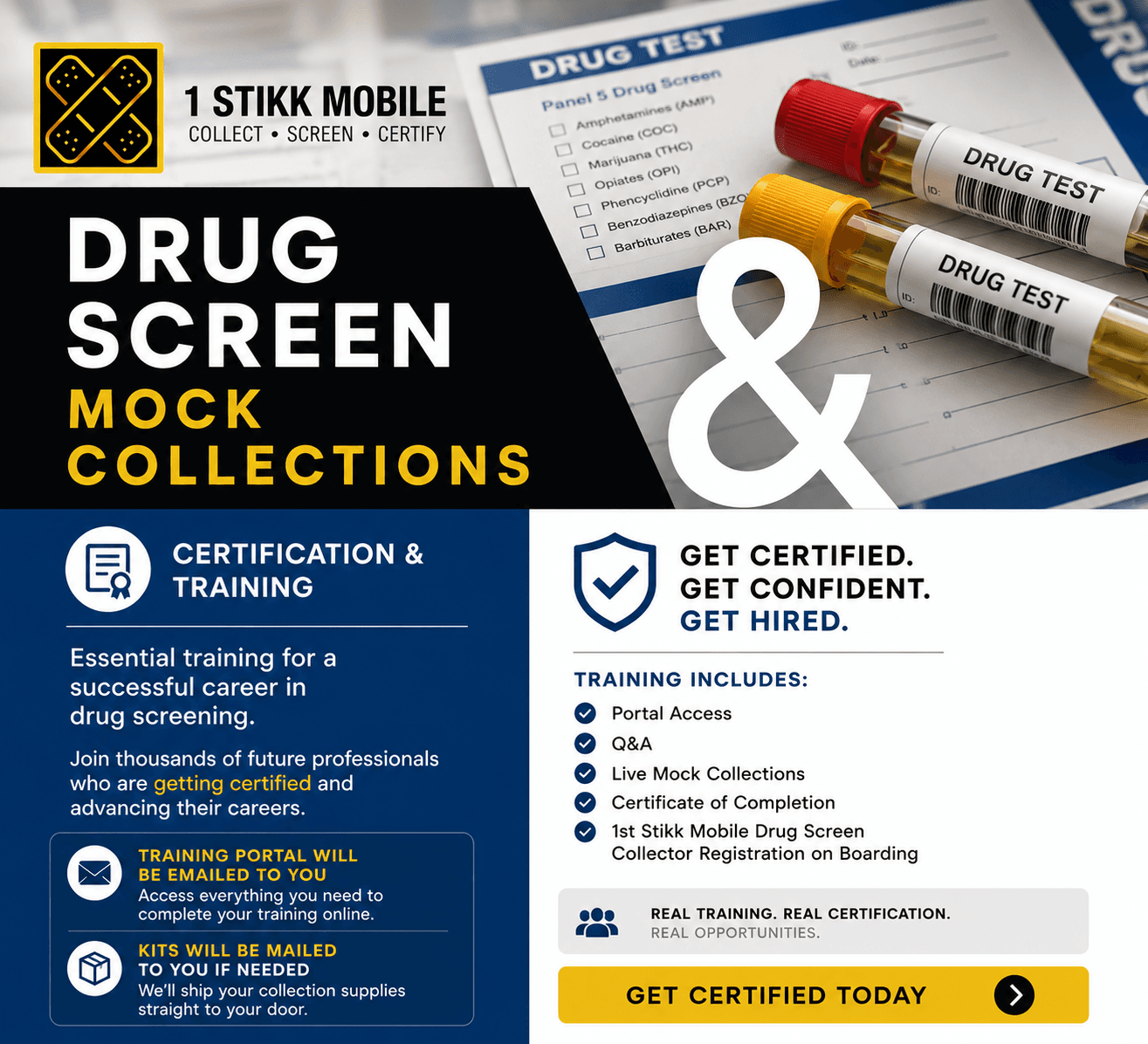
1 Stikk Mobile's $75 training offer is designed to compete on both price and substance. The lower cost matters, but it only works as a real advantage because the program still includes the shipped mock kit, live virtual mocks, certificate guidance, and direct support from a healthcare provider instead of a training-only company.
How Fast Can You Finish and Start Using the Skill?
Students can often move through the training in about a week, depending on how quickly they complete the portal material and schedule the live mocks. For motivated learners, that makes DOT collector training one of the more accessible entry points into specimen collection work, employer testing support, and related mobile healthcare opportunities.
The career value is practical: employers need collectors who understand chain of custody, clinics need trained support, and screening businesses need people who can execute consistent workflows. A short training window combined with a comparatively low $75 investment is why this keyword cluster has such strong commercial intent in search.