Why Supply Lists Slow Students Down
A supply list adds work at the exact moment a student should be building momentum. Instead of moving into training, they are searching for vendors, comparing items, worrying about whether they bought the right materials, and waiting for multiple shipments to arrive. That delay creates drop-off and makes the training feel harder than it needs to be.
It also weakens confidence. When a student is not sure whether the materials in front of them match the intended workflow, they hesitate. That hesitation carries into mock practice and makes it harder to trust the process.
What a Physical Mock Kit Does Better
A physical mock kit compresses the path between purchase and practice. The student buys the program, receives the actual materials, and can begin working through the mock flow with fewer unknowns. That sounds simple because it is. Good conversion strategy often comes down to removing unnecessary friction.
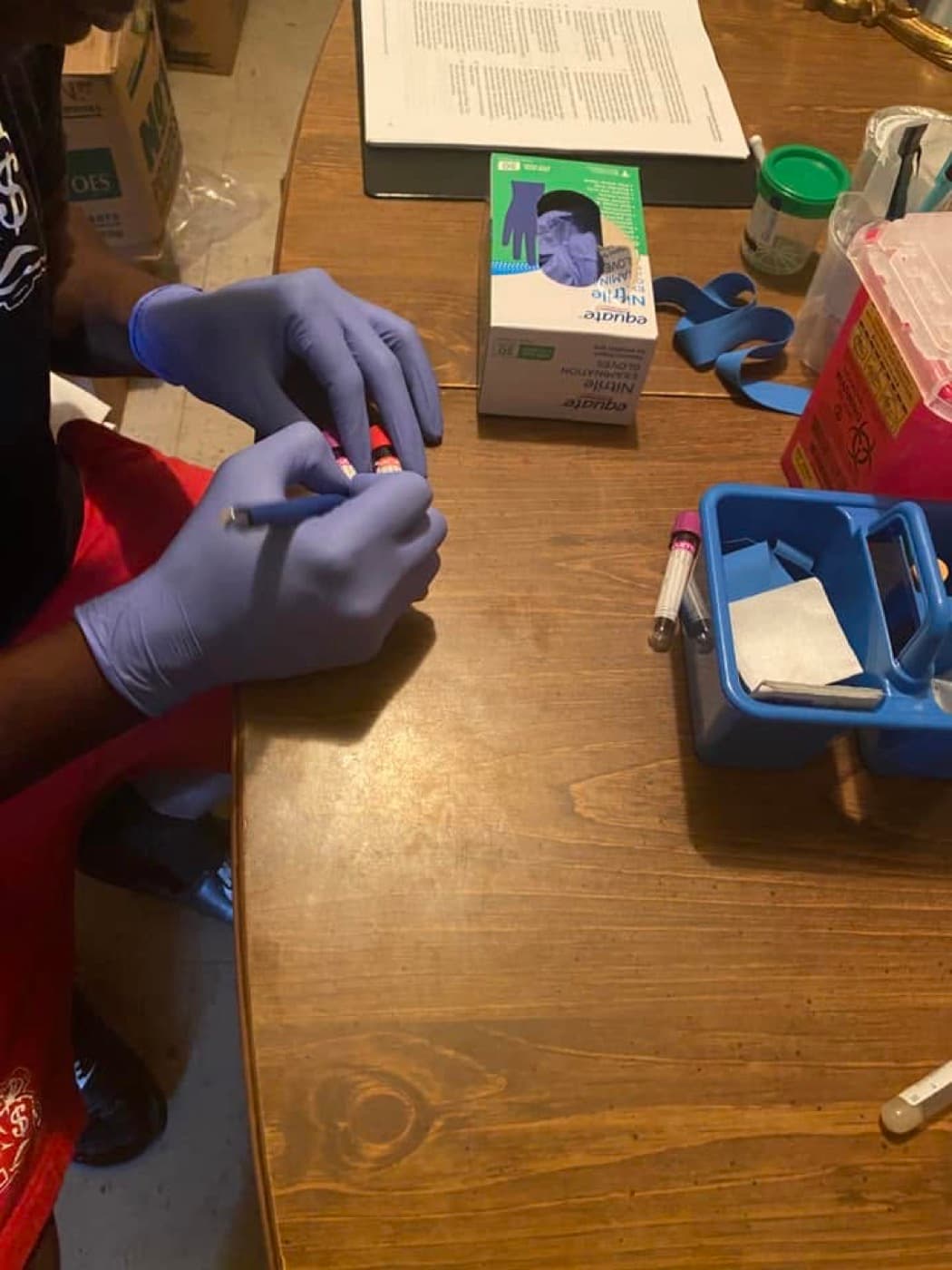
A real kit also makes the training feel more tangible. Instead of consuming abstract information, the learner is handling the materials that support the collection sequence. That is especially helpful for newer students who are trying to connect terminology, paperwork, and physical workflow for the first time.
Why Real Kits Convert Better Than Abstract Offers
Commercial-intent searchers are not only looking for training. They are looking for certainty. When a page says the program includes a physical mock kit shipped to the student's door, that offer feels concrete and easy to compare against other providers.
That clarity improves clicks and conversions because the benefit is immediate and visual. A supply-list offer sounds incomplete. A real mock-kit offer sounds like a solution. That difference matters on high-intent keywords like drug testing mock kit, collector mock kit, and mock collection kit.
How the Kit Fits Into 1 Stikk Mobile's $75 Offer
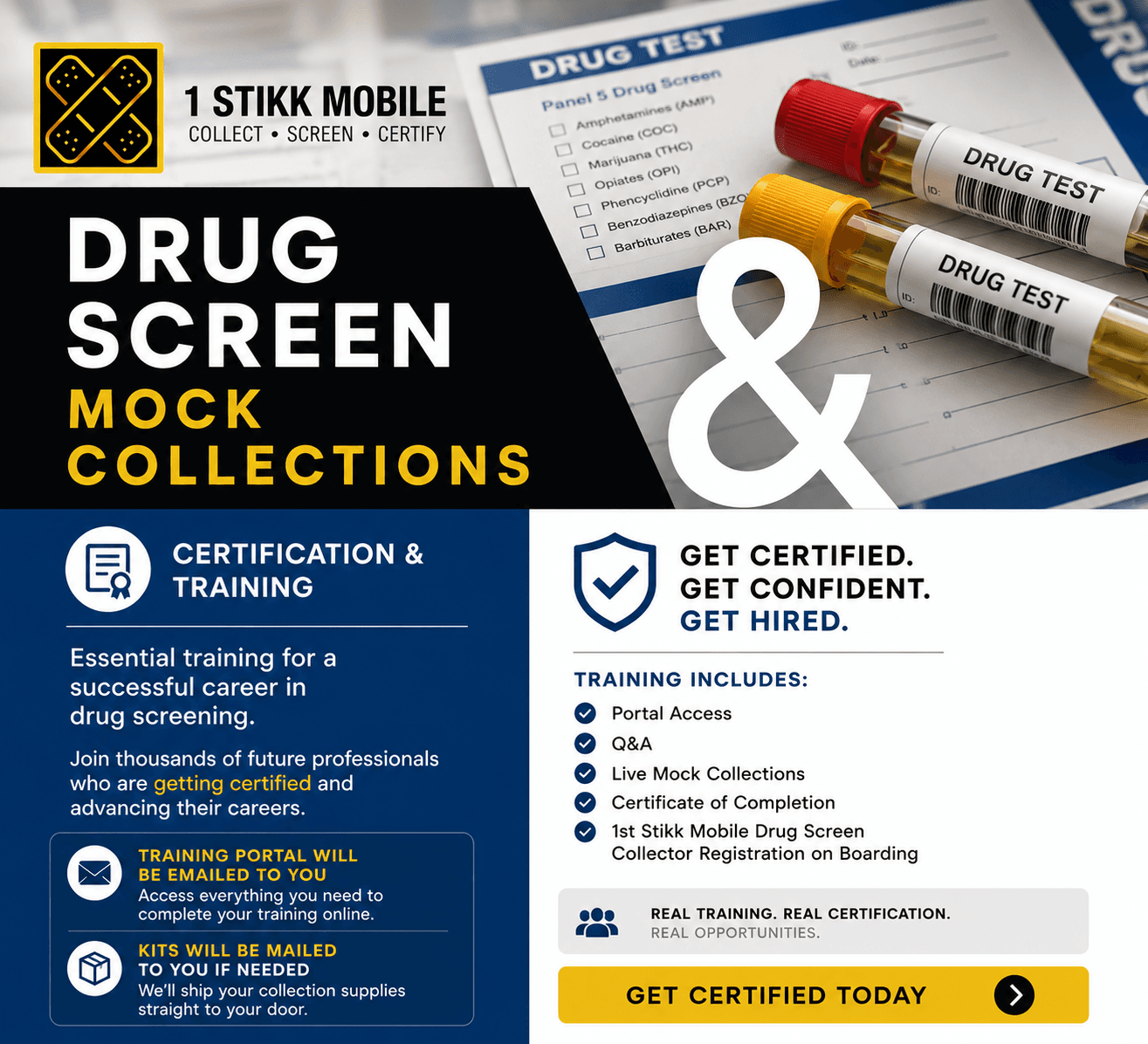
At 1 Stikk Mobile, the physical mock kit is not an upsell. It is part of the $75 training path. The student buys the mock kit first, books the portal call, receives the materials, and completes five live virtual mock collections with support from the training team.
That sequence is more persuasive because each step logically supports the next one. The offer is not asking students to enroll and then solve the hardest setup problem on their own. It is giving them a more complete starting point at a much lower price than many competing programs.
What Searchers Should Look for Before Buying
When comparing collector-training programs, students should look for four things: whether the kit is physical and included, whether mock practice is live or prerecorded, whether the page clearly explains what's inside the training, and whether the price is visible without hidden fees. Those four signals tell you a lot about how serious the training provider is.
If the offer is vague, the student usually ends up paying twice: once in money and again in time. A clear $75 program with a shipped mock kit and live virtual practice is easier to understand, easier to trust, and easier to act on.