What Is Chain of Custody in Drug Testing?
Chain of custody (COC) is a documented record of every person who handled a specimen — from the moment it was collected to when the laboratory reported the result. It creates a legally defensible paper trail proving the specimen belongs to a specific individual and was handled according to established protocols throughout the entire process.
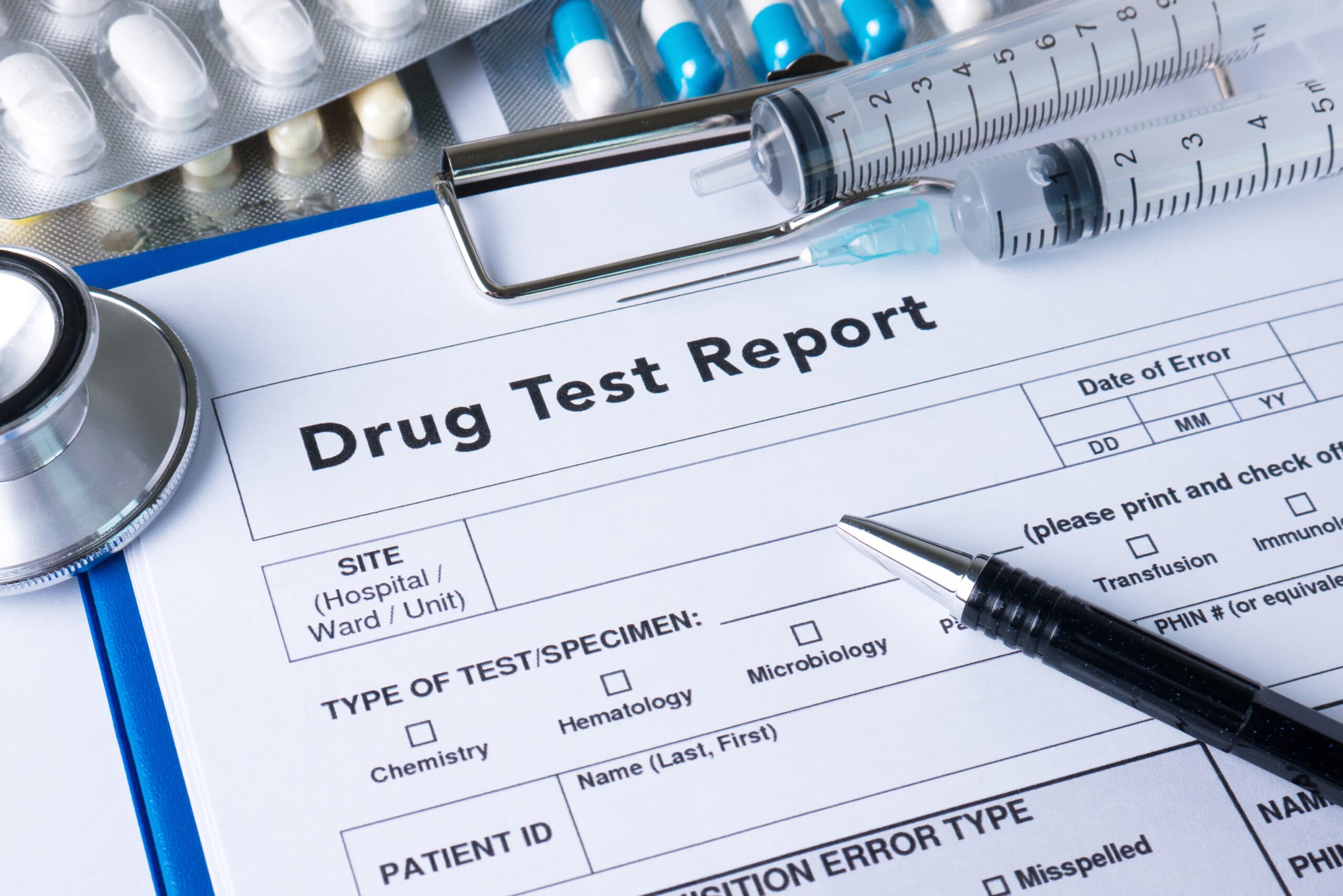
In DOT-regulated testing, federal regulations in 49 CFR Part 40 require a five-part Federal Custody and Control Form (CCF) for every urine specimen collection. Non-DOT programs often use proprietary COC forms but follow the same documentation principles.
The Chain of Custody Process: Step by Step
The process begins when the collector verifies the donor's identity using a government-issued photo ID. The donor provides a specimen in a single-use collection container. The collector checks volume (minimum 30 mL for DOT), temperature (must fall within 90°F–100°F), and appearance before pouring the specimen into tamper-evident specimen bottles.
The collector applies security seals over the bottle caps and has the donor initial the seals. Both the collector and donor sign the CCF. The completed form accompanies the sealed specimen through shipping to the certified laboratory. Any break in this chain — a missing signature, an intact seal, a temperature failure — can invalidate the entire collection.
What Happens at the Certified Laboratory
Upon arrival at the laboratory, trained accessioners verify that specimen seals are intact and that CCF information is complete and consistent with the specimen. Any discrepancy triggers a rejected specimen notification before testing begins.
The specimen undergoes initial immunoassay screening — a highly sensitive rapid test. If the screen returns positive at or above federally established cutoff concentrations, the specimen moves to confirmatory testing using gas chromatography/mass spectrometry (GC-MS), which precisely identifies and quantifies the substance. GC-MS results are considered the gold standard in forensic toxicology.
The Role of the Medical Review Officer
Non-negative laboratory results are never reported directly to the employer. They first go to a federally certified Medical Review Officer (MRO) — a licensed physician with specialized training in occupational medicine and drug testing science. The MRO protects both the donor and the employer from false positives.
The MRO contacts the donor to determine whether a legitimate medical explanation exists for the positive result — a valid prescription for opioids, for example, could explain an opiate-positive result. If a satisfactory medical explanation is provided, the MRO may report the result as negative or cancelled. Only after MRO review is a verified positive reported to the employer's Designated Employer Representative.
Split Specimen Rights and Donor Protections
Federal DOT regulations require every collection to include a split specimen. Bottle A (the primary specimen) is tested by the laboratory. Bottle B (the split) is stored frozen at the original laboratory. When a primary specimen returns a verified positive, adulterated, or substituted result, the donor has 72 hours to request testing of the split specimen at a different HHS-certified laboratory.
The split must return a confirmed positive for the same substance — or confirmed adulterated or substituted — for the original result to stand. If the split specimen fails to reconfirm, the MRO reports the entire result as cancelled. This split specimen process is one of the most important protections for donors who believe a positive result is in error.