What Is On-Site Employee Drug Testing?
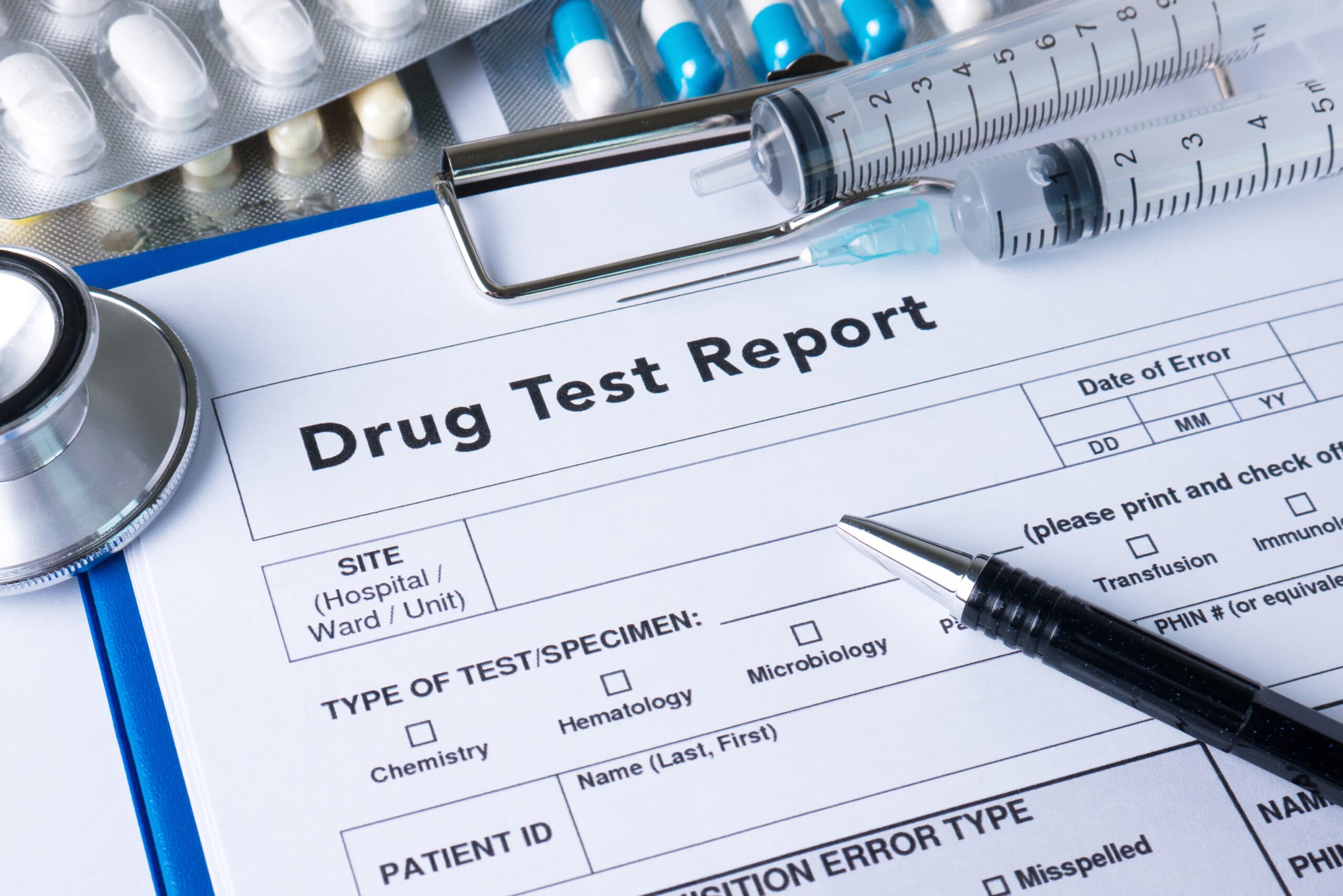
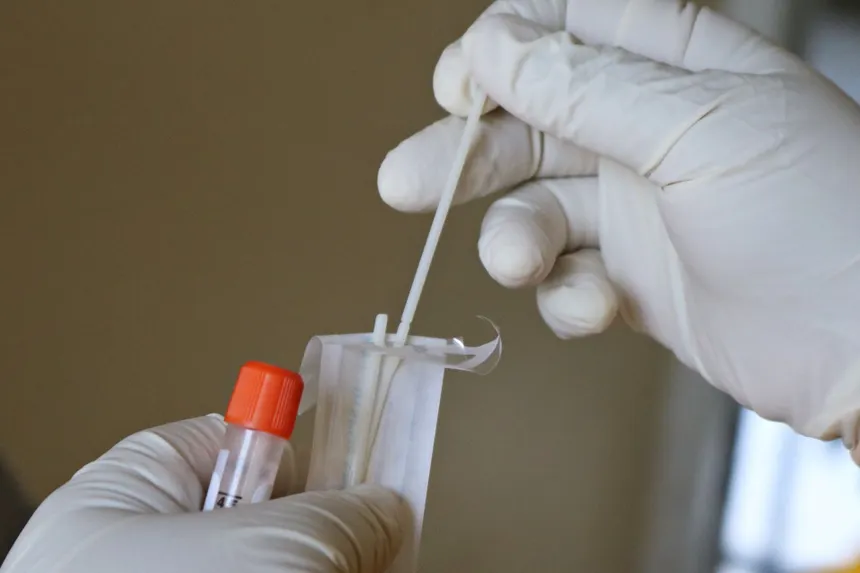
On-site employee drug testing is a service where a certified collector travels to your workplace to perform drug and alcohol screening — urine, oral fluid, or hair — instead of sending employees to an off-site clinic. Results follow the same laboratory and Medical Review Officer (MRO) process as any collection.
The model is built for speed and control. Pre-employment, random, post-accident, and reasonable-suspicion tests can all be handled on location, often for an entire shift in a single visit. Employers eliminate travel time, reduce no-shows, and shrink the window for specimen substitution — all while keeping operations running.
DOT vs. Non-DOT Workplace Testing
DOT testing is federally mandated for safety-sensitive employees under agencies like FMCSA, FAA, and FRA. It requires the five-panel urine screen, a federal Custody and Control Form, split specimens, and MRO review — every step governed by 49 CFR Part 40. There is no flexibility in panels or cutoffs.
Non-DOT testing is employer-defined. You choose the panel (5, 10, or 12 substances), the specimen type, and the cutoff levels, guided by your written policy and state law. Many employers run both programs: DOT for regulated drivers and a customized non-DOT program for the rest of the workforce. A clear, written policy is the legal backbone of either program.
Types of Workplace Drug Tests Employers Use
Pre-employment testing screens candidates before a start date and is the most common test type. Random testing — selecting employees through a defensible, unpredictable process — is the strongest deterrent and is required in DOT programs at federally set rates.
Post-accident testing follows workplace incidents per your policy and OSHA guidance, while reasonable-suspicion testing is triggered when trained supervisors document specific, observable behavior. Return-to-duty and follow-up testing apply after a violation and treatment. On-site collection supports all of these, including rapid response for post-accident situations where timing is critical.
The Business Case: Cost, Compliance, and Safety
The direct savings are obvious — no paid travel time, fewer missed appointments, and the ability to test a whole crew at once. The larger return is risk reduction: a documented testing program supports workers' compensation discounts in many states, strengthens negligent-hiring defenses, and reduces accident-related liability.
Compliance is where programs fail most often. Errors in chain of custody, an untrained collector, or an inconsistent policy can invalidate a result or expose you to a wrongful-termination claim. Using certified collectors and an MRO for every non-negative result protects both the employer and the employee — and keeps your program legally defensible.
How to Set Up an On-Site Testing Program
Start with a written drug and alcohol policy that defines which tests apply, the consequences of a violation, and employee rights. Confirm your state's specific notice and consent requirements, since these vary widely. Then choose your panels and specimen types based on your industry and risk profile.
Next, partner with a mobile provider that supplies certified collectors, a relationship with an accredited lab, and MRO services. Schedule recurring random selections and a clear post-accident protocol so supervisors know exactly what to do. 1 Stikk Mobile builds and manages on-site programs end to end — including DOT consortium management and SAP referrals.